Leading Across Generations: How Great Leaders Build High-Performing Multigenerational Teams

Today’s workplace is more diverse than ever—not just in culture and experience, but in age.
For the first time in modern history, organizations are leading teams made up of Baby Boomers, Generation X, Millennials, and Generation Z. Each generation brings unique strengths, expectations, and perspectives that can either strengthen a team or create unnecessary conflict.
The difference isn’t the generations.
It’s leadership.
At CBK Advising, we believe leaders don’t need four different leadership styles. They need one essential leadership skill: adaptability.
Why Leading Across Generations Matters
Many workplace challenges that appear to be performance issues are actually communication issues.
Comments like:
“They don’t communicate.”
“They’re resistant to change.”
“They expect too much feedback.”
“They don’t respect experience.”
often reflect differences in perspective rather than differences in commitment.
When leaders understand what motivates each generation, conversations improve, trust grows, and performance follows.
Understanding the Four Generations in Today’s Workplace
Baby Boomers (Born 1946–1964)
Baby Boomers often value loyalty, stability, respect, and meaningful work. They appreciate structured communication, recognition for their contributions, and opportunities to mentor others.
Leadership Tip: Honor their experience while inviting them to help develop future leaders.
Generation X (Born 1965–1980)
Gen X leaders and employees tend to value independence, accountability, and efficiency. They prefer clear expectations and the freedom to achieve results without unnecessary oversight.
Leadership Tip: Focus on outcomes rather than processes.
Millennials (Born 1981–1996)
Millennials seek purpose, continuous learning, collaboration, and professional development. They appreciate frequent coaching conversations and leaders who invest in their growth.
Leadership Tip: Connect daily work to a larger mission and provide regular feedback.
Generation Z (Born 1997–2012)
Gen Z has entered the workforce with strong digital skills, a desire for inclusion, and an expectation of transparent communication. They value flexibility, psychological safety, and opportunities to contribute meaningful ideas.
Leadership Tip: Encourage open dialogue and create an environment where every voice is heard.
Behavioral Style Often Matters More Than Age
One of the most impactful lessons we teach is this:
Generation explains tendencies. DISC explains behavior.
While generational experiences shape values, behavioral styles influence how people communicate, make decisions, and solve problems every day.
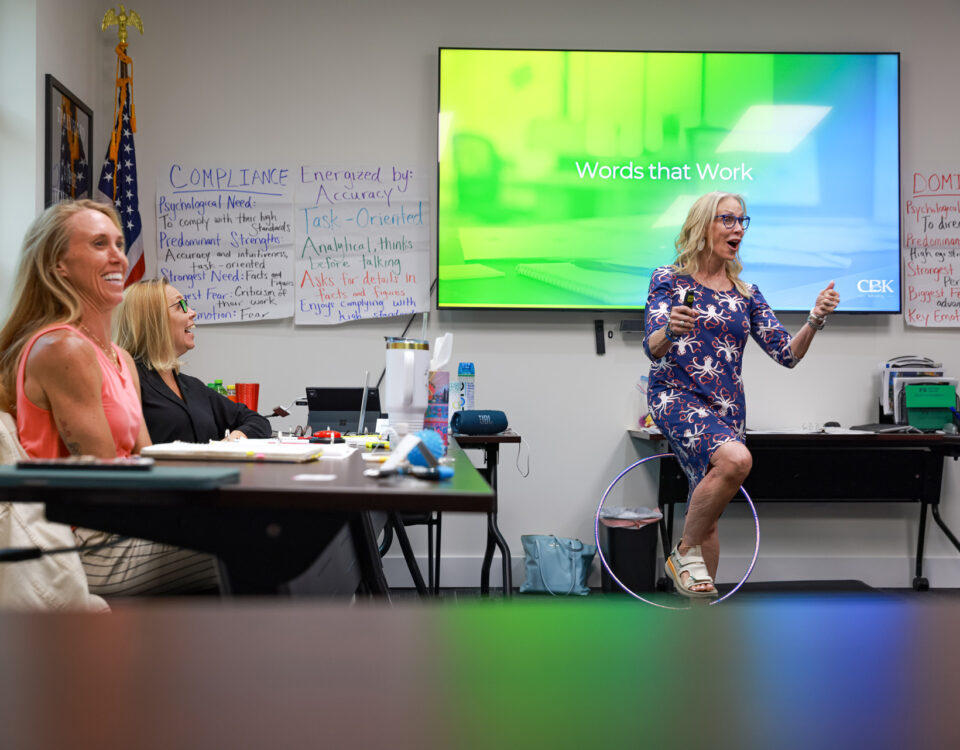
Understanding the DISC model helps leaders recognize four primary communication styles:
- Dominance (D): Decisive, competitive, and results-oriented
- Influence (I): Enthusiastic, persuasive, and relationship-focused
- Steadiness (S): Patient, dependable, and supportive
- Compliance (C): Analytical, organized, and detail-oriented
This is why two employees from the same generation can have completely different leadership needs.
Exceptional leaders understand both.
Practical Ways to Lead Across Generations
Whether you’re leading a project team or an entire organization, these leadership practices consistently produce better results:
Listen Before You Lead
Ask questions before making assumptions. Every employee has a unique story beyond their birth year. Take time to understand their experiences, motivations, and preferred communication style before deciding how to lead them.
Customize Your Communication
Some team members prefer scheduled conversations. Others appreciate quick, informal check-ins. Some want coaching, while others simply need clarity. Flexibility in your communication style increases effectiveness and builds trust.
Coach Instead of Correct
Feedback should build confidence, clarify expectations, and encourage continuous improvement—not simply point out mistakes. Leaders who coach consistently create more engaged and accountable employees.
Leverage Every Generation’s Strengths
Create opportunities for reverse mentoring, cross-generational collaboration, and knowledge sharing. Experienced employees provide wisdom and perspective, while younger team members often introduce fresh ideas and new ways of thinking. Together, they become a powerful competitive advantage.
Focus on Shared Purpose
Every generation wants to know their work matters. Unite your team around the organization’s mission rather than their differences. When people understand how their contributions impact the bigger picture, collaboration naturally improves.
The Best Leaders Adapt
Leadership has never been about treating everyone exactly the same.
It’s about understanding what each person needs to perform at their highest level.
As Stephen Covey famously wrote,
“Seek first to understand, then to be understood.”
That principle remains one of the most effective leadership strategies for today’s workplace.
When leaders intentionally adapt their communication, coaching, and leadership approach, they create workplaces where trust grows, engagement increases, and every generation contributes to organizational success.
The strongest organizations aren’t built by expecting every employee to think alike. They are built by leaders who recognize the unique strengths each generation brings and create an environment where everyone can succeed.
Partner with CBK Advising
At CBK Advising, we help organizations strengthen leadership effectiveness through executive coaching, DISC behavioral training, communication workshops, and customized leadership development programs.
Whether you’re leading frontline supervisors, senior executives, or cross-generational teams, we provide practical strategies that help leaders build trust, improve collaboration, and create high-performing cultures.
If your organization is ready to strengthen leadership across every generation, let’s start the conversation. Together, we can equip your leaders with the skills to communicate more effectively, inspire greater engagement, and build teams that thrive—regardless of age or generation.