From Resolution to Results: Building Stronger Teams in the New Year

With 2026 underway, many are thinking about their New Year’s resolutions. What if this year you focused on the results you wanted to achieve versus the resolution; would it matter?
YES! Lasting results come from intentional action and consistent behaviors. If you want the results from your team, it starts by understanding your people and investing in development that meets them where they are.
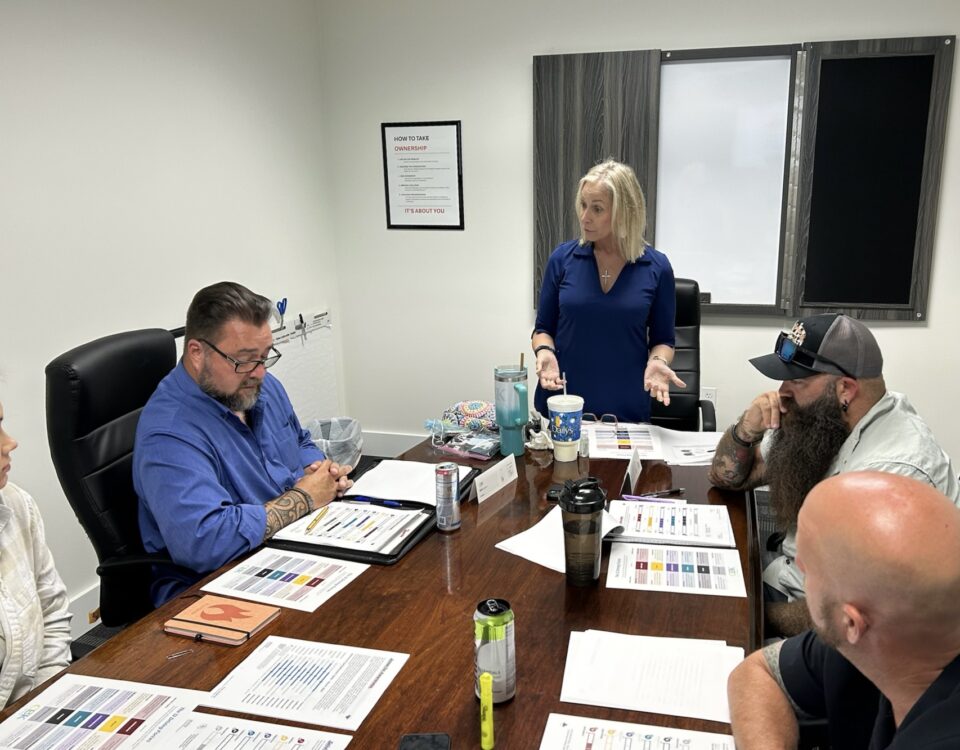
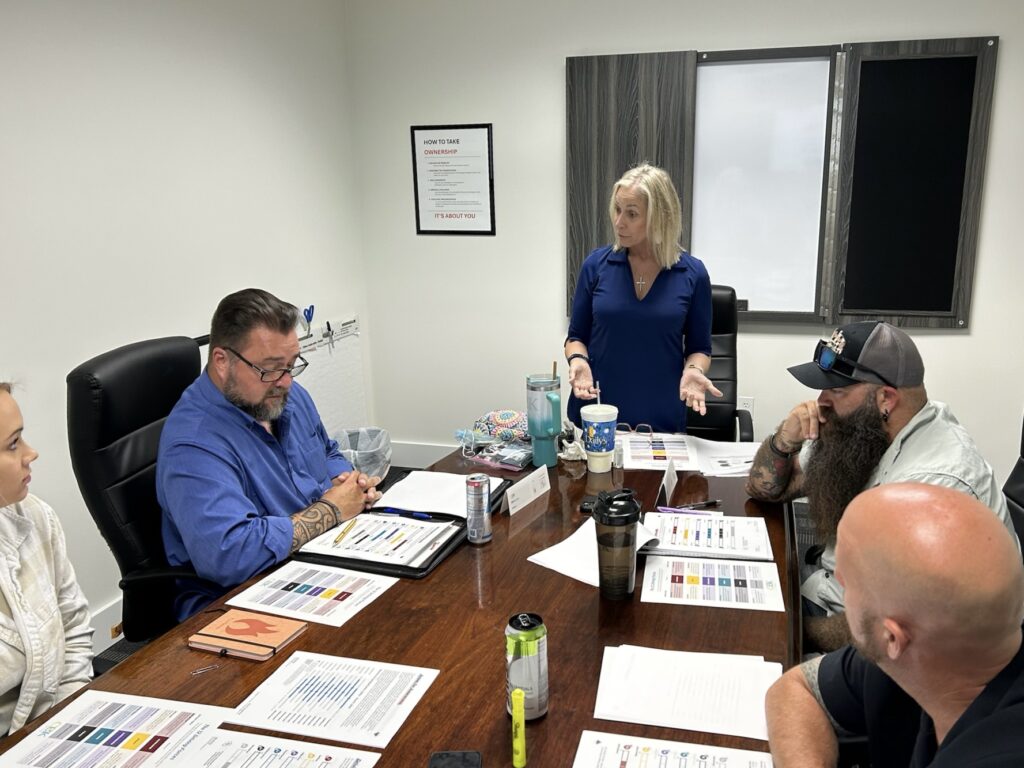
Our Behavioral Assessment (DISC) provides a practical lens to help you understand how your employees prefer to communicate unlocking clarity, connection, and collaboration.
The 4 Behavioral Styles:
Dominance: This behavioral style measures how someone approaches problems and challenges.
Influence: This behavioral style measures how someone prefers to interact with people and contacts.
Steadiness: This behavioral style measures how someone responds to pace and consistency.
Compliance: This behavioral style measures how someone responds to procedures and constraints.
As a leader, one of the most powerful commitments you can make is to invest in your team’s development with intention. Below, we outline development programs tailored to each behavioral style leading to growth, engagement, and results.
Dominance
High Dominance (Direct)
Results-driven, decisive, and goal-oriented communicators who value efficiency, autonomy, and clear outcomes.
Development Programs That Best Support This Style:
- Future-focused leadership development to strengthen long-term thinking, resilience, and strategic skill growth.
- Emotional Intelligence (EQ) training to build empathy, self-awareness, and active listening.
- Mentorship programs that shift focus from doing the work to developing others and expanding leadership capacity
Low Dominance (Reflective)
Thoughtful, cooperative, and steady communicators who value harmony, clarity, and thorough, well-considered communication.
Development Programs That Best Support This Style:
- Confidence-building development to help them voice ideas, needs, and perspectives with assurance.
- Negotiation and influence training to strengthen advocacy skills and navigate conflict effectively.
- Structured communication programs that reinforce standing their ground while maintaining collaboration.
Influence
High Influence (Outgoing)
People-oriented, enthusiastic, and optimistic communicators who bring energy, creativity, and strong relationship-building skills to the workplace.
Development Programs That Best Support This Style:
- Active listening and precision communication training to balance enthusiasm with clarity and follow-through.
- Leadership presence development focused on practicing the pause and allowing others space to contribute.
- Time and priority management programs that create structure, focus, and consistency under pressure.
Low Influence (Reserved)
Reserved, thoughtful, and self-controlled communicators who prefer meaningful interactions and tend to engage quietly.
Development Programs That Best Support This Style:
- Presentation and communication skills training to build confidence speaking in group settings.
- Rapport-building and social communication workshops to strengthen connection across each unique style.
- Team engagement and collaboration programs provide structured opportunities to share ideas, ask for feedback, and build confidence in group dynamics.
Steadiness
High Steady (Steady)
Calm, supportive, and dependable communicators who value stability, clear expectations, and a steady pace.
Development Programs That Best Support This Style:
- Agility and adaptability training using scenario-based decision sprints to build confidence in prioritizing and acting under change.
- Rapid prioritization exercises that strengthen decision-making in time-compressed situations
- Self-advocacy and boundary-setting development to help them confidently say no, push back when needed, and protect capacity.
Low Steady (Dynamic)
Fast-paced, energetic, and action-oriented communicators who thrive in open, high-momentum environments.
Development Programs That Best Support This Style:
- Stress management and emotional regulation training to reduce urgency-driven reactions and improve self-awareness.
- Mindfulness and grounding techniques help slow thinking under pressure and improve decision quality.
- Structured alignment rituals (daily or weekly check-ins) that reinforce follow-through, accountability, and consistency without limiting momentum.
Compliance
High Compliance (Precise)
Detail-oriented, analytical, and process-driven communicators who value accuracy, structure, and well-defined standards.
Development Programs That Best Support This Style:
- Big-picture and strategic thinking development through cross-functional shadowing to broaden perspective and organizational awareness.
- Problem reframing and critical thinking training to expand how issues are defined before jumping to solutions.
- Agility and innovation exercises encourage flexible thinking while leveraging their strong analytical strengths.
Low Compliance (Pioneering)
Independent, innovative, and unconventional communicators who thrive in flexible environments and value autonomy in how work gets done.
Development Programs That Best Support This Style:
- Process discipline and SOP training to strengthen consistency, quality, and repeatable outcomes.
- Structured practice scenarios that reinforce using defined processes while identifying improvement opportunities
- Peer review and collaboration frameworks that slow execution just enough to quality-check ideas while maintaining creativity.
When development aligns with behavioral style, growth accelerates and cultures strengthen. The most effective leaders move beyond one-size-fits-all development and intentionally invest in their people in ways that create clarity, accountability, and momentum.
If your goal for 2026 is to move from resolutions to results, it starts by understanding how your people work best and equipping them with the right tools to grow.